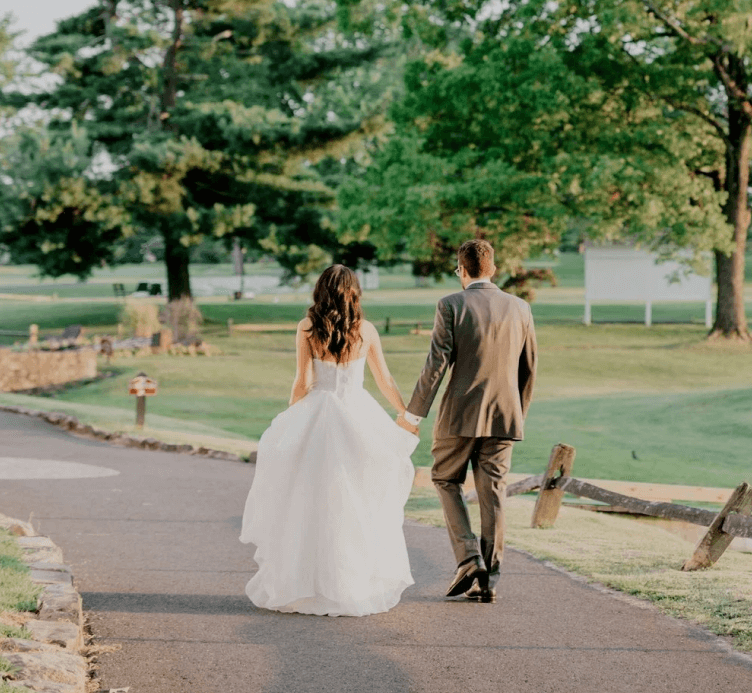

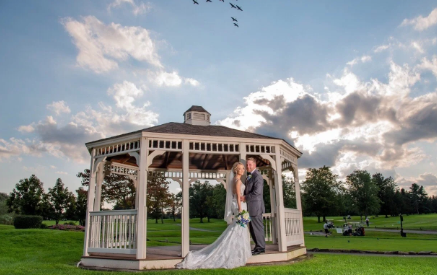
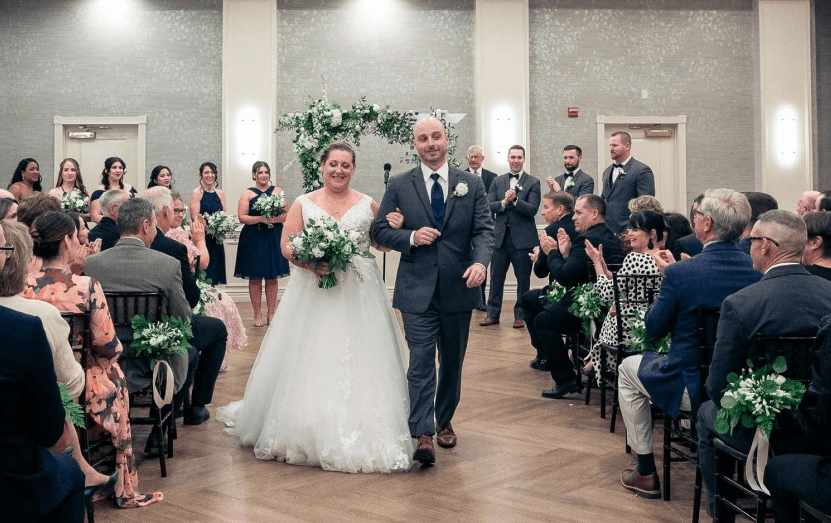
Pennsylvania is one of the easiest states to elope in. No residency requirement, no blood test, and you can legally marry with no officiant using a self-uniting license. A Bucks County license costs $85, takes a three-day wait, and stays valid for 60 days.
The whole process
- Apply for a marriage license. Online in most counties, followed by a short video appointment.
- Wait three days.
- Get married anywhere in Pennsylvania, within 60 days.
- Sign the license — your officiant, or you and two witnesses.
- File the marriage return within 10 days.
- Order certified copies.
That's the entire legal requirement. Everything else is a choice.
Why Pennsylvania is a good state to elope in
No residency requirement. You can live anywhere. Couples come from New Jersey, New York, Delaware, and further.
No blood test. Pennsylvania eliminated it years ago.
Self-uniting licenses. Only a handful of states let you marry without an officiant. Pennsylvania is one, and it's the biggest practical advantage — no vendor to find, book, brief, or pay.
The license works statewide. Get it in Bucks County, marry in the Poconos or Pittsburgh. Anywhere in the Commonwealth.
Applications have moved online. Most counties, including Bucks, now take the application through a portal followed by a video appointment. For out-of-state couples this is a significant change — you used to need two trips.
Step 1: The marriage license
In Bucks County: $85, which includes one certified Certificate of Marriage. Fees vary by county across Pennsylvania, generally $50 to $100.
How to apply in Bucks County: through the Register of Wills and Clerk of Orphans' Court Online Services portal. Choose "Login as Guest," then "e-file Marriage Application." Both of you then attend a virtual meeting to show ID and sign. Online payment is card only; other methods require applying in person.
In-person locations:
- Doylestown — 55 E. Court Street, Doylestown, PA 18901 · 215-348-6000
- Levittown — 7321 New Falls Road, Levittown, PA 19055 · 267-580-3585
What you need:
- Government-issued photo ID for both applicants
- Proof your most recent prior marriage ended, if applicable. Divorce decree or annulment can be a photocopy; a death certificate must be the original.
- Payment
Restrictions: both applicants must be at least 18, cannot be under the influence at the time of application, and cannot be related more closely than second cousins.
Step 2: The three-day wait
Every Pennsylvania license is issued after a three-day waiting period. The earliest you can marry is the fourth day after applying.
No same-day weddings. An emergency waiver petition exists — $95 in Bucks County, free for active military — but it requires a genuine emergency and court involvement.
Apply two to four weeks out. Enough buffer for a document problem, comfortably inside the 60-day validity window.
Step 3: Decide about an officiant
This is where Pennsylvania gives you an option most states don't.
Option A — self-uniting license, no officiant. You marry each other. Two witnesses sign. Fully legal, recognized in all fifty states and for federal purposes. Bucks County issues these under 23 Pa. C.S. § 1502.
You don't need to be Quaker. The 2007 federal ruling in Knelly v. Huggins-Daines established these can't be denied on religious grounds.
Option B — hire an officiant. $150 to $400 in the Bucks County area. Worth it if you want someone running the ceremony rather than managing it yourselves.
Option C — a friend leads it, self-uniting license underneath. Your friend says everything they were going to say with no legal role. This is the best of both, and it sidesteps a real Pennsylvania problem: the state has had cases invalidating marriages performed by internet-ordained ministers without an established congregation. Bucks County explicitly will not confirm whether anyone is qualified to officiate.
Step 4: Pick a place
Your license is valid anywhere in Pennsylvania. Common choices:
Wedding venues on weekdays. From $595 in Bucks County. Real grounds, ceremony site, often food.
Parks and public land. Tyler State Park, Peace Valley, Washington Crossing. Permits required, guest limits common, no weather backup.
Restaurants. A private room for 10 to 25 and a self-uniting license is a complete wedding.
The Poconos, Philadelphia, Pittsburgh, Lancaster. Elopement-friendly properties across the state.
Private property. Legally sufficient with a self-uniting license.
Step 5: Witnesses
Two, if you're using a self-uniting license. Their signatures are what make the certificate valid in place of an officiant's.
They can be anyone — family, friends, venue staff, the couple at the next table. There's no requirement that they know you and no age minimum specified beyond general capacity.
Sort out the signing order beforehand. Print it, hand it to a witness. Four people standing over a document working out which line is theirs is the least romantic ninety seconds of the day.
Step 6: File the return
The marriage return — the bottom portion of the license — goes back to the issuing office within 10 days of the ceremony.
If it isn't filed, no marriage record exists. With an officiated wedding this is usually the officiant's job. With a self-uniting license, it's yours.
Your $85 includes one certified copy. Extras are $25 each. Order two or three — name changes, insurance, financial accounts, and immigration paperwork all want one.
What it costs
| Absolute minimum | $85 — self-uniting license, somewhere you already have access to |
| Park ceremony | $85 + $0–$300 permit |
| Weekday venue | $85 + $595 and up |
| With an officiant | Add $150–$400 |
| Photographer | $600–$1,500 for elopement coverage |
| Certified copies | $25 each after the first |
Frequently asked questions
How much does it cost to elope in Pennsylvania? The legal minimum is the marriage license — $85 in Bucks County, generally $50 to $100 statewide. With a self-uniting license and a location you already have access to, that's the entire cost. Venue packages start around $595.
Do you need to be a Pennsylvania resident to elope there? No. Pennsylvania has no residency requirement. The ceremony does have to take place within Pennsylvania, but you can live anywhere.
Can you elope in Pennsylvania without an officiant? Yes. Pennsylvania issues self-uniting marriage licenses, where the couple marries each other and two witnesses sign. It's one of the few states that allows this.
How long does it take to elope in Pennsylvania? Minimum four days — three-day waiting period plus the ceremony. Most couples plan two to four weeks out so the license doesn't expire and there's room for a document problem.
Do you need witnesses to elope in Pennsylvania? Two witnesses are required with a self-uniting license. With an officiated ceremony the officiant signs, but bringing two adults is good practice regardless.
Can out-of-state couples elope in Pennsylvania? Yes, and it's easier than it used to be — most counties now handle the application online with a video appointment, so you no longer need a separate trip just to apply.
How long is a Pennsylvania marriage license valid? 60 calendar days from issuance. Miss the window and you reapply and pay again.
What happens if we don't file the license afterward? No marriage record will exist. The return must be filed with the issuing office within 10 days of the ceremony.
Eloping in Bucks County
The Arbor at The Bucks Club is a wedding venue in Jamison, Bucks County, Pennsylvania, ten minutes from the Doylestown county offices. Weekday elopement packages from $595 — booked online, no tour required.
Confirmed against Bucks County Register of Wills published requirements and fee schedule and 23 Pa. C.S. §§ 1502–1503, August 2026. Fees vary by county across Pennsylvania — verify with the county where you'll apply.
Last updated: August 2026